


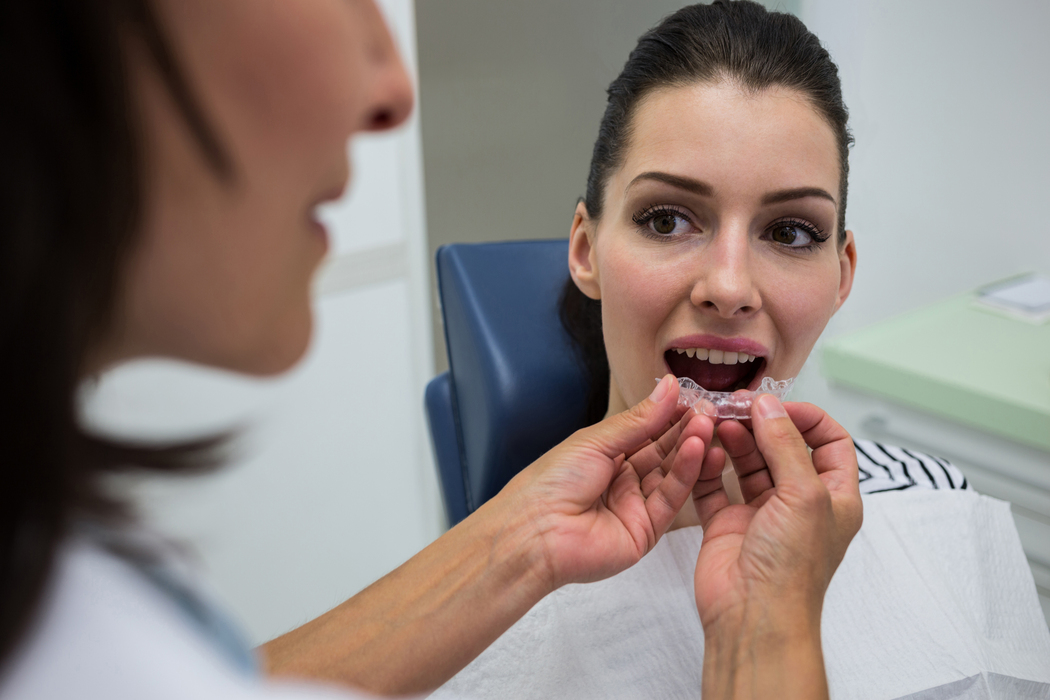
Bruxism is a condition where you unconsciously grind or clench your teeth, often during sleep or under high pressure. This habit can lead to worn-down tooth enamel, severe jaw pain, and chronic headaches if left untreated. A dentist in SE Calgarycan help you detect if you suffer from bruxism. By addressing the root cause and protecting your teeth, you can prevent long-term damage and improve your quality of rest.
What is Bruxism and Why Does It Happen?
Bruxism is more than just a bad habit; it is a physical response that often happens while you are fast asleep. Many people do not even realize they are doing it until a partner mentions the grinding sound or a dentist notices unusual wear on their molars. If you are noticing jaw soreness in the morning, seeking Bruxism & Mouth Guards in SE Calgary can help identify the issue before it leads to cracked teeth.
The causes can vary from person to person. For some, it is related to an uneven bite or missing teeth. For many others, the link between oral health and stress is the primary driver. When the mind is tense, the body often carries that tension in the jaw muscles, leading to forceful clenching throughout the night.
How Grinding Affects Your Whole Body
The impact of bruxism is not limited to your mouth. Because the jaw joints (known as the TMJ) are connected to the skull, the constant pressure can cause pain to radiate outward. This often results in:
- Chronic Tension Headaches: Often felt in the temples upon waking up.
- Earaches: Pain that feels like an ear infection but is actually muscle strain.
- Sleep Disruptions: Grinding can be linked to sleep apnea, leaving you feeling exhausted.
- Facial Changes: Over time, overused jaw muscles can bulk up, changing the shape of your lower face.
If these symptoms sound familiar, visiting a dentist near youis the best way to get a professional evaluation. A simple exam can reveal signs of wear that you might not be able to see in a bathroom mirror.
Exploring Bruxism Treatment Options
The goal of treatment is to reduce pain, prevent permanent tooth damage, and decrease the frequency of clenching. There is no “one size fits all” cure, but several effective methods can provide immediate relief.
| Treatment Method | How It Helps |
| Custom Night Guards | Creates a physical barrier to prevent tooth-on-tooth contact. |
| Stress Management | Yoga, meditation, or counselling to lower muscle tension. |
| Bite Correction | Aligning the teeth so that pressure is distributed evenly. |
| Muscle Relaxants | Short-term medication to help the jaw relax during sleep. |
By reviewing various Bruxism treatment options, you can find a combination that works for your specific lifestyle. Often, a custom-fitted guard is the most effective first step because it is designed specifically for the unique shape of your mouth, making it much more comfortable than store-bought versions.
A Path Toward Lasting Relief
Your journey to a pain-free life starts with understanding that your oral health is deeply connected to your general well-being. Ignoring the signs of grinding can lead to expensive restorative work down the road, such as crowns or implants. Taking a proactive approach now ensures that your natural teeth stay strong and your jaw remains relaxed.
At Nexus Dental Centre, we are committed to helping our patients find comfort and clarity regarding their dental health. We conduct a soft, holistic bruxism diagnosis procedure that not only takes into account the bodily symptoms but also the lifestyle factors. A genuine smile is the secret to a happy life. If you’re tired of waking up with tension and discomfort, we suggest getting in touch with us.
Together, let us safeguard your smile and help you restore your peace of mind.
Frequently Asked Questions
Can children have bruxism?
Yes, it is actually quite common in children as their teeth and jaws grow. Most children outgrow it by the time they lose their primary teeth, but it is always good to have a professional check if they complain of jaw pain.
Will a store-bought mouth guard work?
While they are cheaper, store-bought “boil and bite” guards are often bulky and can shift during the night. A custom guard from a professional fits perfectly, stays in place, and is thin enough not to interfere with your breathing.
Does caffeine make teeth grinding worse?
It can. Caffeine is a stimulant that can increase muscle activity and anxiety, both of which may trigger more frequent clenching episodes, especially if consumed late in the day.
How do I know if I clench my teeth during the day?
Check your jaw several times a day. If your upper and lower teeth are touching while you are just resting or working, you are clenching. Your teeth should only touch when you are chewing or swallowing.