


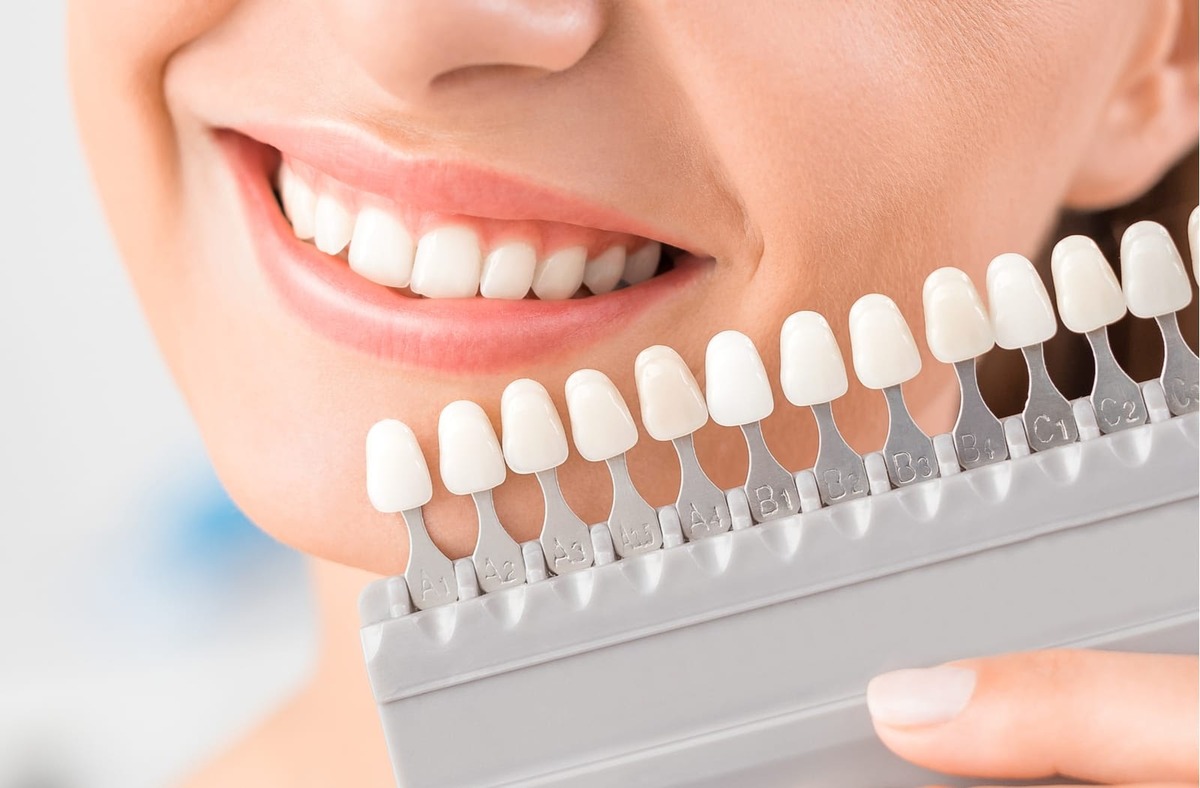
Can veneers damage your natural teeth? No, veneers do not automatically ruin natural teeth. Porcelain veneers in SE Calgary are thin coverings placed over the front of teeth to change their appearance. The process usually requires some removal of natural enamel, so veneers are a long-term dental treatment rather than something that can be reversed.
The effect on your teeth depends on your starting oral health, the amount of enamel that needs to be removed, how the veneers are placed, and how well you care for your teeth afterward. A proper dental assessment is important before choosing veneers.
What Are Porcelain Veneers?
Porcelain veneers are custom-made coverings designed to fit over the visible front surfaces of teeth. They may be used to improve the appearance of teeth affected by certain stains, small chips, uneven shapes, or minor spacing concerns.
A dentist in SE Calgary can check your teeth and gums to see if veneers are right for you. Your teeth and gums should be healthy before starting cosmetic treatment.
Veneers are not the same as crowns. A veneer generally covers only the front surface of a tooth, while a crown covers much more of the tooth.
Myth: Veneers Always Require a Lot of Tooth Removal
Fact: Some enamel may need to be removed so the veneer fits well. The amount depends on the tooth, the desired result, and the type of veneer.
This is one reason veneers should be considered carefully. Once enamel has been removed, it does not grow back.
Before treatment, ask about:
- How much enamel needs to be removed
- Which teeth will be treated?
- Whether another treatment could meet the same goal
- How the teeth will be cared for afterward
Myth: Veneers Make Teeth Weak
Fact: Properly planned veneers do not automatically make healthy teeth weak. However, the tooth underneath still needs protection and regular care.
Problems can develop if a tooth already has decay, cracks, gum disease, or other untreated concerns. A dental assessment can identify these issues before cosmetic treatment begins.
Good oral hygiene remains important after placement. Brushing, cleaning between the teeth, and regular dental visits help protect both the natural teeth and veneers.
Myth: Veneers Protect Teeth From Cavities
Fact: Veneers do not prevent cavities. Your natural tooth is still under and around the veneer, so cavities can still form in areas not covered by the veneer.
If you get porcelain veneers, make sure to:
- Brush your teeth twice a day.
- Clean between your teeth every day.
- Have fewer sugary foods and drinks.
- Go for regular dental checkups.
- Wear a mouthguard during sports if your dentist recommends one.
Veneers can make your smile look better, but you still need to care for your teeth every day.
Can Veneers Cause Tooth Sensitivity?
Some sensitivity may occur after veneer preparation because the tooth has been altered. This can be temporary, but persistent or severe sensitivity should be checked.
A dentist near you can assess sensitivity and determine whether another dental problem is causing the symptoms.
Sensitivity can also depend on the condition of the tooth before treatment. This is why checking for decay, cracks, gum problems, and other concerns before veneers is important.
What Can Cause Problems With Veneers?
Veneers can chip, crack, become loose, or wear out over time. Some habits can make this more likely.
Try to avoid:
- Biting hard objects.
- Opening packages with your teeth.
- Chewing on pens or biting your nails.
- Ignoring teeth grinding or clenching.
- Missing regular dental checkups.
Veneers do not last forever. How long they last can depend on your oral hygiene, biting pressure, the veneer material, and your daily habits.
Are Veneers Right for Every Tooth?
No. Veneers may not be right for teeth with extensive decay, serious damage, gum disease, or other problems that need treatment first.
A dentist in SE Calgary can check your teeth, understand your goals, and tell you if veneers are a good choice. They can also suggest another treatment if needed.
Other options may include:
- Dental bonding for small cosmetic changes
- Teeth whitening for some types of stains
- Orthodontic treatment to straighten certain teeth
- Restorative treatment to repair damaged or decayed teeth
The right treatment depends on your dental health and needs, not just how your teeth look.
How Can You Protect Natural Teeth With Veneers?
Good habits can help keep the teeth under and around your veneers healthy.
Simple steps include:
- Brush your teeth gently twice a day.
- Clean between your teeth every day.
- Visit your dentist for regular checkups.
- Do not use your teeth to open or cut things.
- If you grind or clench your teeth, talk to your dentist.
- Tell your dentist if you have pain, sensitivity, or a loose veneer.
These habits can help keep your mouth healthy and protect your veneers.
Thinking About Veneers? Start With the Right Information!
Selecting veneers is a lengthy process, so it is important to consider how your veneers will affect your natural teeth, how much care you will need to maintain your smile, and whether you could choose a different procedure instead. Having a professional dental evaluation will help you decide which option is best for you. Schedule an appointment at Nexus Dental Center to address your dental concerns and learn about your cosmetic dental options.
FAQs
Do veneers permanently change natural teeth?
Usually, yes. Some enamel may need to be removed before a veneer is placed, and enamel does not grow back. This makes veneers a long-term decision.
Can teeth decay under veneers?
Yes. A veneer does not make the natural tooth immune to decay. Good brushing, cleaning between teeth, and regular dental care remain important.
Are porcelain veneers painful?
The procedure may cause some sensitivity or discomfort, especially after tooth preparation. The level of discomfort can vary depending on the individual and the amount of tooth preparation needed.
Can veneers fall off?
They can become loose or detach, although proper placement and good care can help reduce problems. Biting hard objects or grinding the teeth may increase the risk of damage.